Pickleball Center erapickleball.com: Court, Classes, Community
The first time you walk into Era Pickleball, the air hums with the soft thwack of paddles meeting plastic balls. It isn’t just a place to play. It’s a space that has learned your rhythms—how you move, where your shoulders fatigue, which ball you chase and where you misjudge the pace. The center at erapickleball.com has grown from a simple court rental operation into a thoughtful hub for players at every level. It blends the urgency of drop-in play with the patience of coaching, and in doing so it has become more than a venue. It’s a test bed for technique, a community living room on wheels, and a quiet kind of workplace for people who love the sport.
If you’re evaluating pickleball options in this era, you’ll want to know what makes a center stand out. A good court is essential, of course. But a great pickleball center holds a larger promise: accessible classes that translate into real improvement, well-maintained surfaces that reduce wear and tear on joints, and a community that treats each session as an opportunity to learn something new. Era Pickleball has built its identity around that triad—courts, classes, and community—without leaning too heavily on the buzzwords that often feel hollow. The result is an experience grounded in practical realities: schedules that respect busy lives, instructors who communicate with clarity, and a culture that welcomes weekend warriors and seasoned competitors alike.
The center’s approach is informed by a simple truth: pickleball moves quickly from casual pastime to competitive pursuit for many players. The moment you take your first swing at Era Pickleball, you realize the sport rewards deliberate practice as much as it rewards natural athleticism. The courts are bright and forgiving, yet sturdy enough to handle a high pace. The gear is reliable without fuss, and the staff understands when to push a little and when to ease off. It is this balance that makes the erapickleball.com experience feel both professional and accessible.
As with any sport, the quality of coaching matters. At Era Pickleball, coaches are chosen for more than their competitive pedigree. They are listeners. They watch your form, then calibrate drills to fit your current level. They understand that a beginner’s day can be a little awkward and a little thrilling at the same time. They also know how to scale a workout for someone who shows up with a few nagging injuries or a stubborn plateau in skill development. The coaching suite at the center covers ground from fundamentals to strategy, with a clear emphasis on form, footwork, and shot selection.
What follows is a closer look at the three pillars that anchor the center—courts, classes, and community. Each section is written from the point of view of a long-time player who has learned not just to compete but to draw value from every practice, every match, and every conversation at the center.
Courts: surfaces, scheduling, and what it feels like to play
The heart of any pickleball facility is the court. Era Pickleball doesn’t try to dazzle with novelty on every square foot. Instead, the priority is consistency. The courts are surfaced to provide predictable bounce and reliable grip. The lines are clean, the nets are taut, and the lighting avoids glare while preserving a comfortable horizon for fast exchanges. The result is a playing environment that helps you focus on your preparation rather than on managing equipment issues or fighting a tricky bounce.
One of the quietly significant details is the center’s approach to core court maintenance. On busy days, a well-timed wipe down after a flood of players keeps the court tame for the next group. Off-hours maintenance routines are equally deliberate. The court scrub, wax, and re-tensioning schedule isn’t talked about in loud marketing copy; it’s felt in how your feet respond to the surface after a long morning session. It’s the difference between a game that feels smooth and a game that feels sticky enough to disrupt your shot selection. Players notice these things in small ways—the way a dink rounds the kitchen line more predictably, the ease of moving from center court to the corner, the absence of minor slips that could derail a late-round rally.
Scheduling at Era Pickleball also shows a thoughtful balance between drop-in play and structured sessions. The center recognizes that players need the freedom to grab a court when time allows, but it also protects prime time for clinics and ladder leagues. If you’re juggling work, family, and a love of the game, you’ll appreciate how the calendar accommodates various rhythms. You can pop in for a quick 30 minutes before a late shift, or reserve a block for a longer practice with a partner. The system supports efficient turnarounds so you don’t lose momentum, and it keeps the courts busy in a way that sustains energy through peak hours.
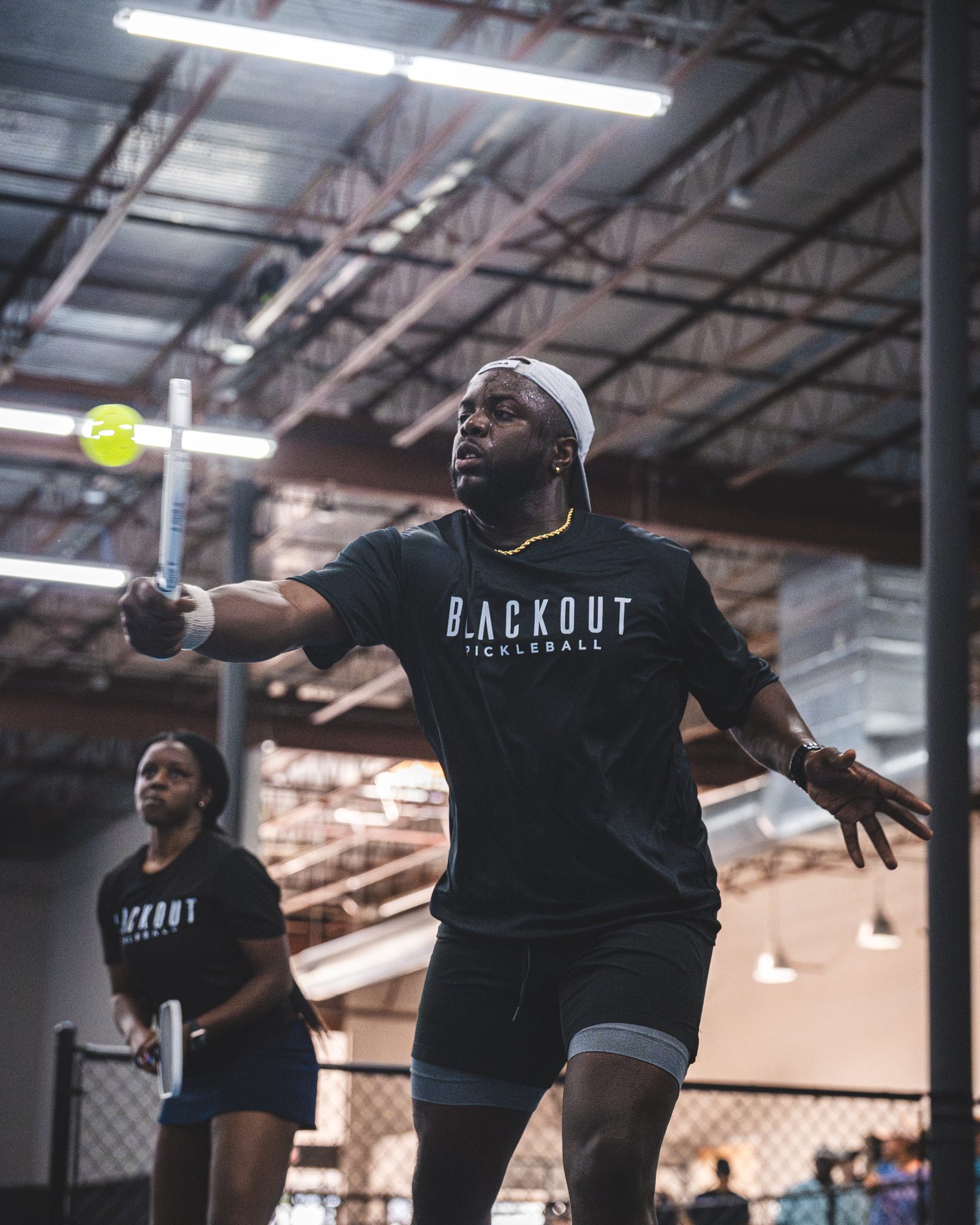
Beyond the practicalities, the court environment at Era Pickleball has a social texture you notice once you’ve played a handful of rounds there. Players tend to greet one another with a nod, a quick chat about a recent tournament, or a suggestion for a new drill. That social fabric matters because it softens the edge of the sport’s competitiveness. You’re not just chasing a personal best; you’re building a circle that understands the sport as a shared craft, not a solitary conquest.
Classes: practical, progressive instruction for real people
If you spend a morning watching the classes at Era Pickleball, you’ll hear the same refrain threaded through every session: keep it simple, keep it precise, and build from the bottom up. The academy aspect is not a flashy sales pitch. It’s an earned credibility that comes from instructors who have worked with players who arrive with a wide spectrum of experience. The curriculum moves with you, not against you, guiding you through a structured progression that respects your pace while gently pushing you toward improvement.
The class formats vary, but the underlying pedagogy remains consistent. A typical session blends demonstration, guided practice, and feedback. The coach will model a stroke, demonstrate footwork, and then observe players as they try it themselves. Expect a calm, attentive critique rather than a harsh, one-size-fits-all instruction. The goal is to help you feel your way toward better decisions on the court, not to force you into a rigid technique you won’t enjoy maintaining in a match.
One hallmark of Era Pickleball classes is their attention to the mental side of the game. Players are coached to visualize plays, read the court positioning of opponents, and manage the pace of rallies with intention. The cognitive load is real, especially as you transition from friendly practice to real competition. The instructors encourage you to notice how you respond to pressure, where you hesitate, and what cues you rely on to pick a shot. That awareness translates into practical gains—faster reflexes, more accurate dinking, and smarter shot selection in late-game situations.
The academy atmosphere is inclusive by design. Beginners aren’t left to flounder while the more advanced players chase speed and spin. Instead, classes are grouped by approachable skill bands, with coaches offering options that once again scale to your level. The result is a steady, engineered path from basic safety and consistency to variability and tactical nuance. You’ll find clinics that focus on specific aspects, like serve returns or transition to the non-volley zone, as well as longer training blocks that build a broad skill set.
Community: relationships that extend beyond the court
The third pillar at Era Pickleball is less tangible than the courts or the schedule, but it is perhaps the most consequential. The center fosters a community that sticks around after the last point is played. You’ll see players swapping drills, trading analysis about a recent set, or planning a friendly after-work session for the next week. The conversations you hear range from gear talk to tournament strategy to the latest changes in official rules. It’s a living, breathing ecosystem, and it matters because long-term improvement happens not just through repetition but through reflection and connection.
The community is also a practical resource. You’ll learn about local leagues, social events, and opportunities to mentor newer players. The center often serves as a meeting point for players who want a low-stress environment to test ideas, compare notes, and receive feedback from a broad group of participants. If you’re someone who learns best in community settings, Era Pickleball offers a natural landscape where mentorship happens in both directions—seasoned players passing on know-how to novices, and younger players who bring fresh energy and new drills that keep everyone engaged.
A word on accessibility and accommodation is important here. The center’s staff acknowledges the varied needs of players, from different ages to a range of physical capabilities. They accommodate pace and intensity adjustments, create space for rest when injuries flare, and provide practical tips that apply across ages and athletic backgrounds. That sensitivity to individual circumstance underpins a healthier, more sustainable pickleball practice for everyone.
Practical details that matter for a smart visit
If you are planning your first trip to the center, a few practical considerations can smooth your entry. Parking availability and proximity are always worth confirming, and you’ll want to know the check-in process. A simple, friendly front desk experience can set the tone for an entire session, especially if you’re stepping into a new coaching regime or a larger training block. If you are bringing a partner or friend who is curious about the sport, consider a drop-in intro or a brief tour to orient them to the court layout, the equipment, and the layout of the facility.
The center’s gear policy is straightforward. Most players bring their own paddles and shoes, but you’ll also find rental paddles and shoes if you’re testing the waters and aren’t ready to commit. Leveling up your equipment gradually helps you avoid over-investment while you learn. The staff can offer guidance on paddle weight, grip size, and surface friction, which matters for your developing technique and your comfort during longer sessions.
The visitor experience extends to the way you approach your practice. Era Pickleball emphasizes deliberate practice rather than endless repetition. You’ll be encouraged to structure your time with intention—start with 10 to 15 minutes of warm-up, proceed to a high-sustain drill that targets a specific skill, and wrap with a few live points that simulate match conditions. The beauty of this approach is its versatility. Whether you’re new to the sport or returning after a break, you can tailor the session to your needs without feeling like you’re behind the class.
Two standout elements of the center’s programming deserve mention. First, ladder leagues and round-robin formats offer regular opportunities to test your progress in a supportive environment. Rather than facing a harsh elimination ladder, you’re measured by your ability to adapt and improve across successive matches. Second, private coaching slots provide one-on-one time with a seasoned instructor who can diagnose nuanced issues that don’t reveal themselves in a group setting. For players who respond best to individualized feedback, that option can be a game changer.
What makes a center truly useful to players
There are centers that offer courts and coaches. Then there are centers that build a habit. Era Pickleball has both, but the element that often sets apart a good center from a truly useful one is how consistently it translates into better play over time. A great center makes you look at your own approach with fresh eyes. It invites you to track small improvements with a level of honesty and patience that isn’t always available on busy court surfaces or in choppy box-score recaps of tournaments.
Observing the center with a veteran eye, you notice a culture of discipline without rigidity. The staff expects players to show up ready to work but also recognizes that life intrudes and performance fluctuates. The best coaches you’ll encounter at Era Pickleball understand the difference between pushing a player past a comfort zone and burning a player out. They will challenge your mechanics while keeping your confidence intact. It’s a subtle balance, and when you experience it over weeks or months, you begin to trust that your practice time is producing real returns.
Tradeoffs and edge cases worth considering
No facility is perfect, and Era Pickleball is no exception. A few practical caveats can help you decide how this center fits your needs. For some players, the pace of new class schedules and event calendars can feel busy. If you prefer a slower, more predictable cadence, you might opt for fewer group sessions and lean more on private coaching or controlled practice time. The center’s strength—the variety of offerings—can sometimes feel overwhelming if you are a beginner who wants a single, clear path to improvement. In that case, starting with a fundamentals-focused class or a private lesson can anchor your experience before you branch into the broader program.
Seasonality also matters. Demand increases during peak periods, such as winter evenings or weekend mornings, which can affect court availability and wait times for a group slot. If you’re flexible with your timing, you’ll enjoy shorter wait times and more consistent practice blocks. If your schedule is rigid, consider committing to a weekly slot and using private lessons to sustain progress during busier stretches. The good news is that the center’s approach makes it easier to adapt. You can shift from drop-ins to a structured cadence without losing momentum, and the coaching staff will help you recalibrate your goals if life throws you a curveball.
A closing reflection on why this center matters
What distinguishes Era Pickleball is not just the quality of its courts or the richness of its class catalog. It’s the kind of realism you feel in the air when you walk through the doors. This era pickleball is a place built by people who love the sport for the right reasons. They understand that pickleball is evolving into a serious discipline for a growing community, but they refuse to treat it as a corporate puzzle or a trendy fad. They treat it as a craft, taught with clarity, practiced with discipline, and shared with generosity.
The center’s ethos is best summarized by a simple, almost old-fashioned principle: show up prepared to learn, stay curious about your own progress, and treat others with respect as you chase improvement together. If that sounds like a mission statement you would actually want to live, then erapickleball.com is a facility worth spending time in. It is a place where you can push your boundaries without feeling rushed, where you can explore the full spectrum of the sport from the first dink to the fastest cross-court rally, and where the community you encounter becomes part of your ongoing journey as a player.
Two quick reflections for regulars and newcomers alike
-
For regulars: use the ladder formats as a diagnostic tool. Track not just wins and losses, but the quality of your decision making under pressure. If you notice your footwork improving and your dink consistency rising, you are moving in the right direction. It’s not always about who you beat today but about how far you have come over a stretch of practice.
-
For newcomers: embrace the fundamentals early and resist the lure of flashy shots that don’t serve your core game. The best players you’ll encounter frequently rely on a reliable serve, a well-timed return, and controlled, patient play at the non-volley line. Once those pieces are steady, your options multiply in smart ways.
A longer view on growth and community
Over time, the center’s blend of courts, classes, and community helps you observe a pattern in your own growth. At first, your practice sessions focus on basic control and movement, and your matches feel long and uncertain. A few months in, you notice your ability to read the court improves, your transitions become more fluid, and the rhythm of your rallies shifts from a defensive scramble to a controlled march toward a winning point. The coaching sessions that once felt corrective begin to feel collaborative. You and your instructor develop a shared language to describe your improvements, and that sense of partnership becomes a source of motivation rather than a source of pressure.
The social environment around the center amplifies those gains. You start to notice familiar faces on the court, you cheer for someone else’s good point with genuine enthusiasm, and you find yourself offering small tips to beginners who ask for help. In these moments, the center’s value transcends the sport itself. It becomes a place where people come to improve, but they stay for the conversations that happen between points and the friendships that form after the lights dim.
If you’re deciding whether to join Era Pickleball, the question is not only about whether the facility has the right hours or the right prices. It’s whether you want a framework that respects your time, challenges your habits, and weaves your practice into a broader social experience. The answer for many players is yes. The center offers a pragmatic path to skill development, backed by a community that cares about your progress as much as your performance.
Closing note for the curious reader
Pickleball is a sport that rewards consistent practice, precise technique, and a supportive circle of fellow players. The Era Pickleball center embodies these priorities with a quiet confidence that comes from years of refining the approach. It isn’t about a single breakthrough moment, but about an ongoing process of small improvements that accumulate into reliable performance. On the court, you’ll find yourself thinking differently about angles, speeds, and timing. Off the court, you’ll discover a network of players who share a common interest and a willingness to help one another grow.
In the end, the value of a center like erapickleball.com lies not in the walls or the schedule alone, but in the way those walls and schedules shape your daily practice. The court becomes a classroom; the class becomes a plan; the community becomes a living syllabus. For many players, that combination produces the kind of meaningful, durable progress that keeps you coming back week after week. If this resonates with you, you’ll likely find your own good reasons to step onto the court, into a class, and into the welcome fold of Era Pickleball’s growing community.