Era Pickleball: Pickleball Courts Near Me Made Simple
The first time I showed up at Era Pickleball, the doors opened to a clean, bright space that smelled faintly of new rubber and fresh paint. It wasn’t just a building, it felt like a resource hub for a sport that had quietly become a daily rhythm for people who want quick, dependable exercise without the hassle of negotiating a gym schedule. Over the years I’ve learned that Era Pickleball is more than the sum of its courts. It’s a system you feel as soon as you walk in, from the sign in desk to the way the floor grips under your sneakers and the sound of a well oiled machine keeping indoor and outdoor courts in top shape.
This article is written from the perspective of someone who has spent countless evenings watching players of all levels navigate the same aisles, the same bench seating, and the same friendly chatter that always seems to rise when a new rally starts. If you are searching for pickleball near you, if you want to understand what makes Era Pickleball different, or if you simply want practical guidance on choosing a facility that suits your goals, you’ll find a steady, grounded narrative here. We’ll explore indoor and outdoor options, how to assess a facility, and what to expect when you join. We’ll also touch on leagues, lessons, and membership considerations that matter once you commit to a regular routine.
Finding the this website right place matters, especially in a sport where timing, court quality, and a welcoming environment can make or break a session. Era Pickleball has built its reputation on a straightforward premise: make it easy to play, keep costs predictable, and provide spaces where players can improve without someone hovering over their shoulder. That approach resonates whether you are a casual player who wants to squeeze in a session between meetings or you are chasing a more structured path with clubs, leagues, and a lesson plan.
A practical map through the options
Indoor pickleball courts are a steady draw for year round play. They shield players from weather, provide consistent lighting, and offer predictable footing on the court. At Era Pickleball, indoor facilities are designed with a few core ideas in mind: high quality flooring that reduces fatigue over long sessions, well marked lines that are easy to see from every corner of the court, and a friendly front desk that keeps the flow moving so you can maximize playing time. I’ve seen indoor courts that feel almost like a well run community center, and I’ve also visited spaces where the environment feels tense, as if every missed shot is a personal slight. The difference comes down to management, scheduling, and the simple courtesy of keeping echoing footfalls and chatter from overwhelming the space. In those moments, what matters most is the ability to step onto a court where you can focus on your own game rather than the distraction of a chaotic environment.
Outdoor pickleball courts at Era Pickleball present their own set of advantages. On community courts, you can experience a friendly breeze, a little sun, and a social atmosphere that is different from the indoor scene. Outdoor play attracts a wide mix of players, from retirees who can devote a full afternoon to the game to tournament aspirants who view outdoor play as essential practice for summer events. I’ve learned to appreciate the seasonal rhythm of outdoor play: you take advantage of milder mornings, you adjust when heat peaks, and you plan around occasional rain that can turn a smooth tiebreaker into a memory of slick shoes and unexpected drops in performance. The key is shade and hydration. Look for shade structures that provide relief without obstructing the view or limiting the wind patterns that affect the flight of the ball. A well designed outdoor court will balance sun shading with visibility for players and spectators, keeping seating areas comfortable and accessible.
The practical side of choosing a facility
When you start looking for pickleball near me, a few practical questions rise to the top. First, what is the court surface like, not just in terms of color but in how it responds to your step and slide? A good Era Pickleball surface offers a predictable bounce and enough give to be forgiving yet stable enough to support aggressive drives. You don’t want a surface that wears with uneven patches or creates an extra pain in the knees after a long set. I’ve found that courts with a consistent, slightly tacky finish help keep the ball’s flight predictable and make footwork less tiring over time.
Second, consider the schedule. A facility that is busy in the evenings but sparse on weekday mornings often ends up being more suitable for a casual player than a tournament hopeful. Conversely, a place that fills up on weekends might actually offer a better social scene if you enjoy a steady stream of players who are open to practicing together, sharing tips, and forming informal leagues. Era Pickleball tends to attract players who value both efficient court time and a sense of community, so look for a facility that keeps the courts clear and the schedule published well in advance.
Third, think about access and amenities. Does the entry process feel smooth, or do you find yourself waiting to check in after a workday? Are the locker rooms clean and functional, with secure storage and ample seating? Is there a lounge or café where you can decompress after a match, or a wall of tournaments and club notices that keep you in the loop about upcoming events? The minor details matter because they contribute to a session that doesn’t feel like a sprint but rather a reliable part of your routine.
Fourth, examine the coaching and programming options. If you are stepping into pickleball with the aim of improvement, you want a facility that offers structured lessons, clinics, and a clear path for skill development. The presence of experienced instructors, a capable scheduling system, and transparent pricing will tell you a lot about a place’s long term viability. Era Pickleball’s approach in this regard often intertwines with the social fabric of the club, where instruction exists alongside open play and friendly competition. That blend can be a decisive factor for players who want a mix of guided learning and independent practice.
Fifth, assess the community and culture. I have learned that the energy you feel in a space matters almost as much as the physical attributes. A welcoming staff, patient partners on the court, and a culture of inclusivity can transform a good court into a place you want to return to week after week. You can tell a lot about a facility from a simple gauge: do players greet each other, do they share tips without demeaning, and is the environment forgiving when someone is new to the sport? In the end, the most durable advantage of a good pickleball venue is not the glossy surface or the latest nets, but the sense that you have a place to improve without feeling judged.
Two practical guides that help you compare options
-
The first is a simple quick check for any Era Pickleball location you consider: what is the ratio of court time to wait time during the peak hours you expect to play? A well managed facility tends to balance demand with capacity so that you can plan a specific time to practice rather than constantly adjust to the schedule.
-
The second is about the social structure. Is there a pickleball club, a league, or a lesson program that holds sessions on a predictable cadence? Access to these programs can dramatically increase the rate at which you improve and the amount of social reinforcement you receive, which is often what keeps beginners moving forward.
What a typical visit feels like
I like to walk into Era Pickleball with a plan, but the best visits have a little room for the unexpected. A typical session begins with a quick check in at the front desk, where you confirm your time block and pick up any rental equipment you might need. The court layout tends to be straightforward: a handful of indoor courts aligned in a clean rectangle, with outdoor courts nearby under a canopy of shade trees or a sheltered area. You can hear the thump of the ball once you step inside, a cadence that becomes surprisingly comforting after you’ve played a couple of hours.
If you show up with a partner, you’ll often find a few pairs swapping tips nearby and a few players drifting toward the net for a light warm up rally. The early rounds lay the groundwork for a productive session: you test your footwork, adjust to the bounce, and work with your partner to read the pace and spin of the ball. That is the moment when you realize how much of the game is anticipation and how much is reaction. The best players I’ve watched make it look simple, but they spend countless hours on the court refining the tiny adjustments—the slight bend in the knee at contact, the soft return on a third shot drop, the way a dink crosses the kitchen with enough arc to force a split step from the opponent.
As the day wears on, the conversations shift toward technique and strategy. People trade tips on serve depth, on when to escalate to aggressive plays, and on how to manage fatigue during a long rally. The social component becomes a learning channel in itself, with players offering feedback in a direct but respectful way. The community that grows around an Era Pickleball facility can be as valuable as any coaching you receive, especially when you are trying to break a plateau or pick up a new partner to practice with.
The hybrid model of play that makes sense for almost everyone
One of the most compelling features I’ve observed at Era Pickleball is how the space supports both independent practice and guided, structured practice. You can easily slot in a game or two of open play to warm up, then join a concurrent clinic or a drill session that concentrates on a specific skill. The blend ensures that you do not feel compelled to choose between social play and serious improvement. It also helps explain why many players stay long after their initial interest. They aren’t simply renting time on a court; they are joining a living ecosystem designed to help them advance.
Lessons and leagues: what actually helps your game
If you are serious about taking your skill to the next level, the lesson framework matters because it creates a predictable path forward. Lessons at Era Pickleball often pair a clear syllabus with a responsive coaching style. A good coach will push you to refine your grip, adjust your stance, and reframe your footwork to create more consistent contact. They will also push you to experiment, to take calculated risks that push you outside your comfort zone, and to reflect after each practice on what worked and what didn’t. The best sessions are the ones where you leave with a handful of concrete adjustments you can implement in your next match.
Leagues create continuity, a sense of belonging, and a scoring ecosystem that makes improvement measurable. A league format provides a framework in which you can test the new techniques you have learned in practice under game-like pressure. There is something invaluable about playing a few sets against the same group, learning how they respond to your patterns, and adjusting your approach in real time. The social feedback loop becomes a powerful driver for skill development, and it is precisely the kind of learning environment that Era Pickleball tends to cultivate effectively.
Membership, pricing, and value
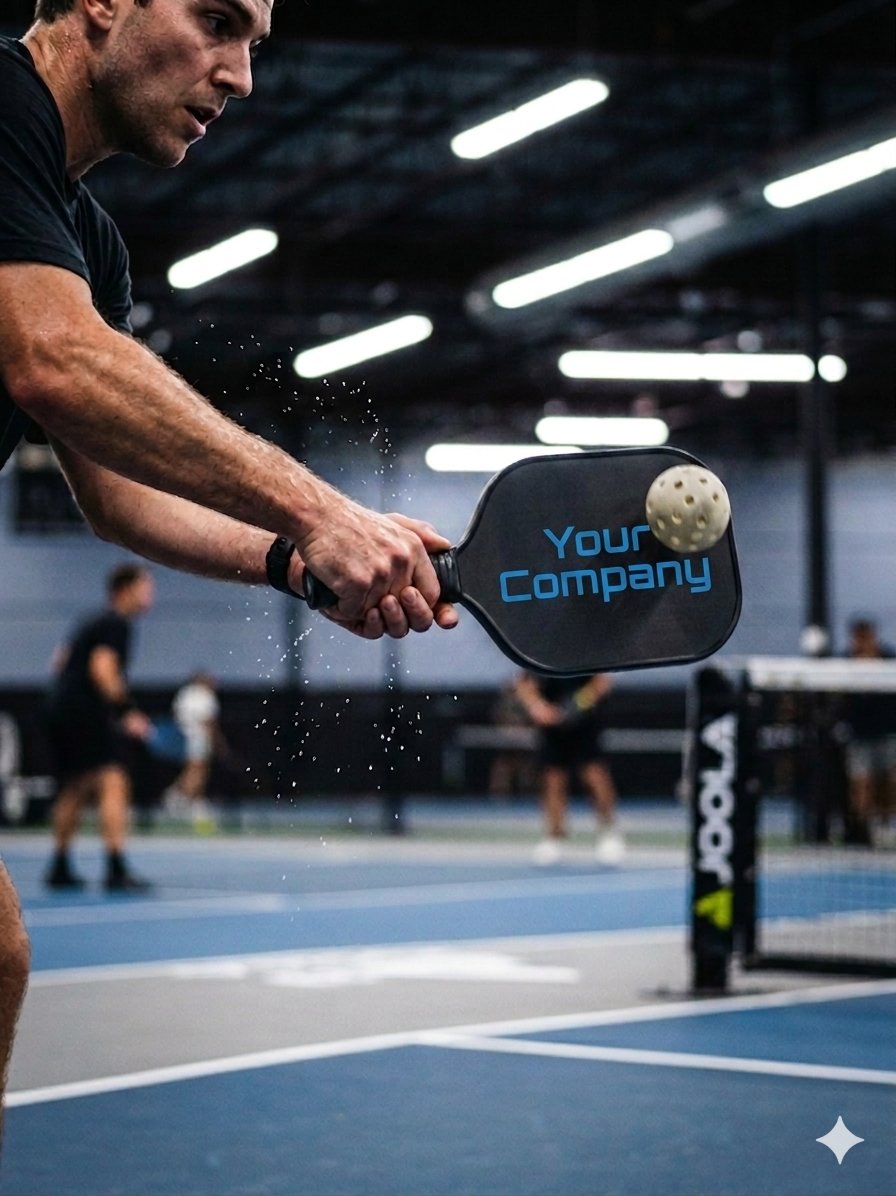
For regular players, the decision to join as a member often comes down to predictable pricing and the ease of access. A consistent monthly or annual fee can be a straightforward choice, particularly if it includes unlimited open court hours, discounted clinic rates, and priority registration for leagues. If you add in guest passes, locker room access, and member-only events, the value can compound quickly. I have found that the most sustainable model is one where you can forecast your playing budget and still have the flexibility to skip a month without penalty if life demands it. A facility that is too rigid about bookings or imposes steep penalties for missed sessions tends to push people away, even when the quality of the courts is excellent.
The decision to sign up will also hinge on the culture you encounter with the staff and fellow players. When a facility treats you as part of a community rather than someone who merely pays for a seat on a court, you want to stay longer. The difference between a good program and a great one often reveals itself in the way staff respond to questions about schedules, equipment, or a simple injury concern. A well trained front desk team can save you time, reduce miscommunication, and help you plan the week around a few key practice blocks.
Edge cases and practical caveats
No facility is perfect, and Era Pickleball is no exception. There are days when demand outstrips supply, especially during peak hours or during local tournaments. If you work a late shift, you may need to adjust your expectations about court availability after 8 pm. In some locations, outdoor courts can be weather dependent, with rain or high heat prompting swift changes to the schedule or the need to relocate to indoor courts. A robust facility will have a contingency plan in place, including clear signage about open courts, alternative practice spaces, and staff that can guide you through the day’s adjustments.
Another caveat is equipment. While most Era Pickleball spaces provide paddles and balls, you may still want to bring a spare grip or a light towel. If you are a beginner, you might not know yet what paddle weight or grip size works for you. In those cases, a friendly staff member can help you test a few options during a supervised session. Don’t be shy about asking for a quick demo with different paddles; the difference can be more meaningful than you expect, especially if you have a developing backhand or prefer a more compact swing.
A final note on accessibility and inclusion
A space that welcomes players of all ages, shapes, and skill levels tends to be the most satisfying over time. Era Pickleball facilities that prioritize accessible design—clearly marked pathways, well lit courts, and seating that accommodates people with mobility needs—create a more enduring culture. If you are coaching a family or planning a mixed level game, you will appreciate when a venue makes it straightforward to set up small group clinics, rotate players to different courts, and maintain an environment that is both efficient and generous.
Two lists to guide your decisions
-
Key questions to ask before you pick a facility
-
What is the court surface quality and how consistent is the bounce across courts?
-
How predictable is the schedule for open play and for clinics?
-
What amenities are included with membership and what are the guest terms?
-
How easy is it to join a league or a training program, and what is the typical commitment?
-
How is the on site staff responsiveness and the overall club culture described by current members?
-
Practical steps for a first visit
-
Arrive a little early to observe the pace of the space and how staff handle check in.
-
Try a short rally with a partner on a couple of different courts to gauge consistency.
-
Attend a clinic or ask about a beginner friendly lesson to benchmark skill development.
-
Talk to a few players about the environment and whether they feel supported.
-
Note the hours during the days you plan to play and verify a backup plan for inclement weather.
A closing word about the Era Pickleball experience
If you are reading this with the intention of making pickleball a regular part of your life, the practical steps above will help you choose a facility that fits your goals. More importantly, the right Era Pickleball space becomes a hub for energy and improvement, not just a place to pass time between errands. The courts are the stage, the players are the cast, and the culture is the director that guides how the scene unfolds.
In my years of playing and watching, the best facilities are those that blend reliable infrastructure with a welcoming community. They are the places that encourage you to push yourself, but not at the cost of your enjoyment. They provide a structure where a new player can walk in, figure out the lay of the land, and start turning practice into consistent improvement. They offer a rhythm that players come to rely on, a cadence that makes each visit feel like a natural extension of the last.
If you are trying to determine where to go for pickleball near me, consider not just the proximity or the price but the lived experience you would like to build. Look for a space that makes you better, not just a space that makes it easy to play. The right Era Pickleball facility will be the one you return to when the work week ends, the one where you know you will see at least a familiar face, and the place where you can measure your growth in a way that feels honest and tangible. In the end, it is about more than the courts. It is about the routine you create, the community you join, and the momentum you carry from week to week as you grow into a more confident, capable player.