Clinics and Camps: Era Pickleball pickleball training
In the fast evolving world of pickleball, the lines between casual play and serious skill development have blurred. Players arrive at clinics and camps not just to learn a few new dinks, but to immerse themselves in a structured environment that blends technique, strategy, and the mindset of consistent practice. Era Pickleball has built a reputation around accessible, high-impact pickleball training that speaks to a broad spectrum of players—from weekend warriors eager to shave a few strokes off their rec league scores to competitive amateurs chasing higher finishes at regional tournaments. This article examines what makes those clinics and camps distinctive, how they fit into a player’s long arc of improvement, and what to consider when choosing era pickleball classes or a pickleball coaching experience through erapickleball.com.
A clinic is more than a collection of drills. It is a curated learning sprint that compresses weeks of self-directed practice into a few hours or days, guided by instructors who understand both the mechanics of the game and the realities of how players absorb new information. Camps, by contrast, tend to offer deeper immersion. They juggle the cadence of practice with the rhythm of match play, video analysis, and situational strategy, all anchored by a community of peers with similar goals. The Era Pickleball approach borrows from both models, offering targeted pickleball training that is practical, scalable, and anchored in real games.
The value proposition for players who want to invest in their game is clear. Clinics provide structured, expert input without a long-term time commitment. Camps deliver a more comprehensive experience, often spanning several days, with repeated practice and longer feedback loops. In both formats, the aim is not merely to perform well in a single session, but to translate the improvements into every rally, every drill, and every tournament. The framework that Era Pickleball uses centers on three core pillars: technique refinement, situational play, and physical readiness. When these elements align, players move from textbook mechanics to an intuitive feel for the court.
The heart of Era Pickleball training lies in the careful calibration of fundamentals. The sport rewards precise footwork as much as it does shot selection. Coaches emphasize the split-step timing that underpins quick transitions, the delicate balance of control and power in the dink, and the subtle art of reading the opponent’s body language. Across clinics, you hear recurring themes—footwork patterns that keep the paddle ready, balance that supports controlled power, and the discipline to keep the paddle face steady through a variety of contact points. The training is not about chasing fancy techniques but about building a reliable baseline that makes advanced shots repeatable under pressure.
For many players, the most meaningful gains come not from dazzling technique but from a clearer understanding of the game’s micro-decisions. Era Pickleball clinics are designed to surface those decisions. Coaches organize sessions around common game states: serving sequences that pressure the return, volley exchanges at the kitchen line, transition plays after a depth-heavy drive. Each scenario is explored in small groups, then tested in live drills that mimic the tempo of a real match. The goal is to reduce indecision when the pace quickens and to bolster the confidence needed to execute under pressure. You walk away with a more reliable plan for what to do in the moment, rather than a vague sense that you should “just be more aggressive.”
Choosing the right clinic or camp starts with an honest assessment of your current level and your short-term objectives. A player who wants to become a reliable third-ball hitter and a strong net presence may gravitate toward different sessions than someone aiming to develop a counter-punching baseline game. Era Pickleball classes are structured to accommodate this range, with options that emphasize technique, strategy, or a hybrid approach that threads both. The coaching philosophy rests on individualized feedback within group settings. Even in a crowd, there are moments of one-to-one coaching, where instructors tailor cues to a player’s height, reach, and preferred shot profile. This blend is where the value starts to show up in match results and in the steadier consistency you see at the end of a camp.
Sensible optimism frames the expectations for any pickleball training program. Improvement is rarely linear. You might show up at a clinic with a certain flaw in your serve return, only to uncover a deeper positional issue in your stance that ultimately unlocks a suite of positive changes. The unpredictability of live play can feel frustrating, but it is exactly where skilled instructors shine. They observe, diagnose, and reconstruct. They guide you through a sequence of micro-adjustments that accumulate into tangible gains on the court. At Era Pickleball clinics, that process is anchored by a practical emphasis on how you actually move and think when there is a paddle in your hand and a point in play.
One of the strongest selling points for era pickleball classes and training is the accessibility they offer. You do not have to quit your job or uproot your life to participate in meaningful improvement. Clinicians schedule sessions on weekends or short blocks that fit busy calendars. Camps may run as mini-cyclones of practice across a compact window, a format that suits players who want a concentrated immersion without a long-term commitment. The instruction is often modular, allowing players to pick sessions that align with their specific gaps. For example, a player who struggles with transition into the midcourt can opt for a course that hones that exact sequence, while still enjoying the camaraderie of a shared cohort.
Era Pickleball also emphasizes the social dimension of training. The sport is as much about reading people as it is about reading the ball. Clinics become space for networking with like-minded players who share a hunger for improvement. The environment is supportive, but not soft. It is common to hear athletes pushing each other with lively drills that mimic the slightly heightened tempo of late-stage rallies. That energy fuels accountability. You’ll often see players staying late after a session to revisit a particular shot, to compare notes about court positioning, or to record and review footage with coaches and peers. The social fabric of a clinic or camp is not a frivolous add-on; it is, in many ways, an engine of sustained motivation.
In terms of program design, Era Pickleball has built a blueprint that translates across various formats. A well-constructed clinic will typically start with a diagnostic warm-up, a quick assessment of the group’s skill mix, and a clear set of objectives. From there, sessions unfold in a sequence that leverages deliberate practice principles. Short, focused repetitions are interwoven with feedback moments and end with live play that reinforces the lesson in a fast, real-time context. A camp, by contrast, amplifies this pattern with a careful balance of drills, match-play simulations, and video analysis. You might spend a morning breaking down backhand slice mechanics, followed by a pickleball courts near me simulated double-pault exchange drill, and finish with a mini-tournament that helps you translate the day’s learning into practical execution.
The metadata around a clinic or camp matters as well. If you are exploring era pickleball classes, you want access to qualified coaches who bring an evidentiary mindset to their teaching. Look for instructors with demonstrated success coaching players at your level, and be mindful of the difference between a clinician who explains concepts and a teacher who can adapt those concepts to your unique biomechanics. The best experiences combine clarity of instruction with a respectful sensitivity to how people learn. That is not a gimmick; it is the difference between a session that feels like a workout and one that yields lasting, usable improvement.
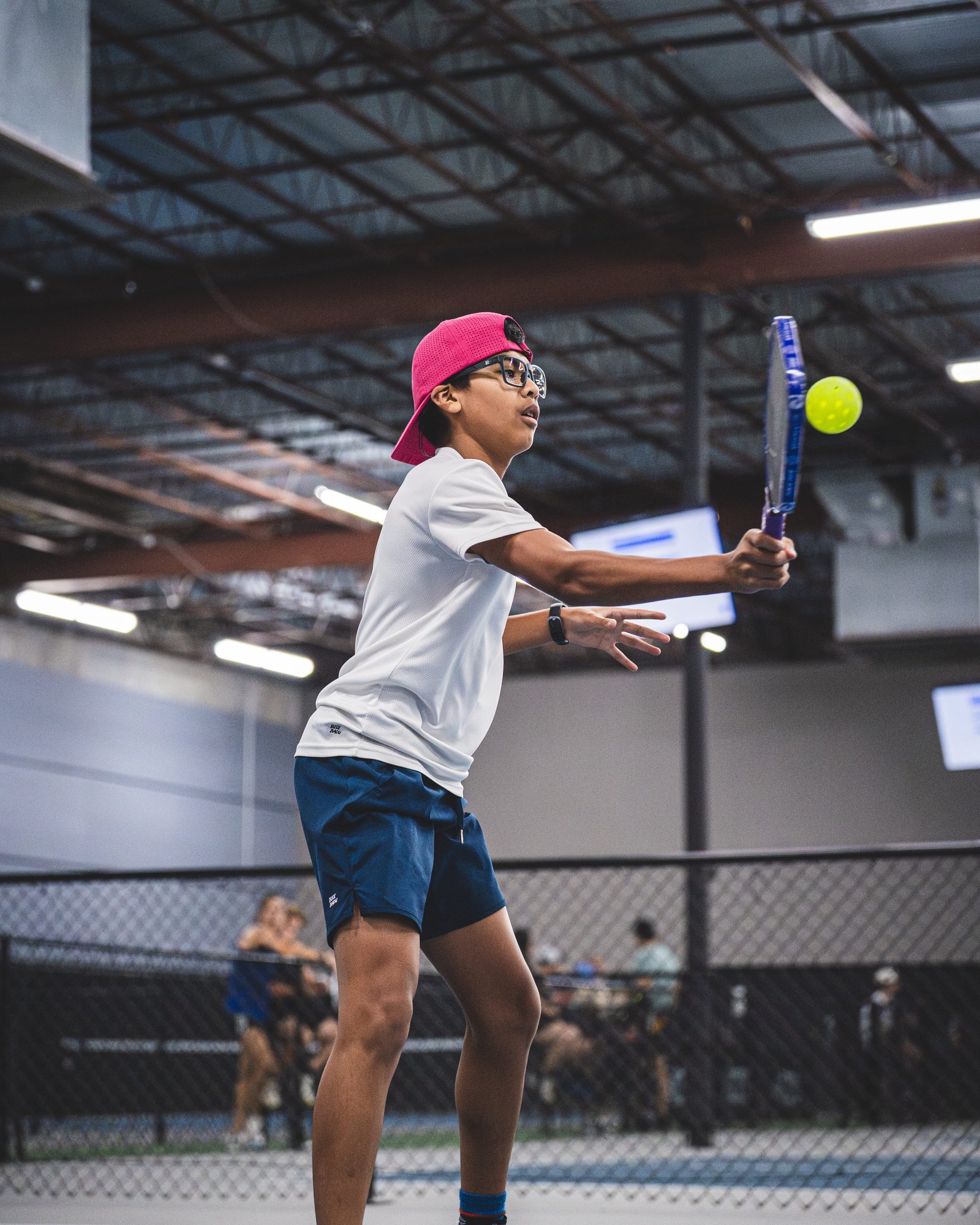
For any serious player, scale matters. A single clinic can yield a handful of core adjustments. A well-structured camp should offer a broader palette of options, including specialized breakouts for defense, serving strategies, or the ever-murky art of the midcourt transition. The best offerings from era pickleball training push you toward a higher ceiling while remaining grounded in practicalities. You will not be asked to perform spectacular feats without scaling the support you need to reach them. A good coach understands where your current capacity ends and your growth curve begins. They build a path that respects your prior training while guiding you toward a more efficient, repeatable game model.
If you are considering where to start, think about your own schedule, budget, and competitive horizon. Clinics provide a comparatively modest entry point, often with a lower price tag and shorter duration. They deliver concentrated learning that can be immediately applied on the next round of play. Camps, while typically more expensive, offer deeper immersion and more extended feedback cycles. They are the kind of experience that allows you to reset some of your old habits and sanitize your approach with new cues and a renewed sense of court presence. In practice, many players begin with a clinic to gauge the fit and then commit to a multi-day camp to accelerate progress.
Two concrete considerations can shape your decision. The first is the coaching roster. Investigate the backgrounds of who will be teaching and whether they have direct success coaching players at your level or demonstrated results on court. The second is the emphasis of the curriculum. Some sessions lean heavily on technical refinement, others on tactical awareness, and many blend both. Era Pickleball training usually communicates a clear emphasis on practical, game-ready skills rather than isolated drills. The objective is to leave with a handful of repeatable actions you can implement in your next practice or match. That clarity is the quality signal of a well-designed clinic or camp.
If you want to maximize your return, prepare in advance. Bring a notebook not just for recording drills but for writing down cues that resonate with you. Watch your own footage when possible, and be ready to revisit it with a coach who can translate what you see into actionable adjustments. Arrive with a sense of curiosity rather than a fixed idea of what you want to fix. A flexible mindset is a significant asset in a learning environment where even seasoned players find themselves challenged in new positions or unfamiliar shot configurations. The most productive days are those when you can absorb feedback without taking it personally and pivot quickly toward practical changes.
The logistics around clinics and camps deserve careful attention. Scheduling matters. Sessions held during peak court times might conflict with family or work commitments, but they also offer a social element—see and be seen, learn from a broader cohort, test your ideas against a wider range of players. Venue matters as well. A well-lit court with a consistent floor texture makes a real difference when you are practicing footwork patterns that rely on precise balance and quick pivots. Good facilities reduce the cognitive load of the session, letting you focus on technique and decision-making. And finally, consider the follow-up. A strong program offers post-session resources, such as access to training videos, practice plans, or ongoing video feedback, so you can sustain the momentum after you return home.
Two lists can help you navigate the practical side of engagement without losing sight of the nuance that makes Era Pickleball training meaningful. Here are essentials you might find useful when planning to participate in pickleball clinics and camps:
- What to bring
- What to expect during a clinic
- What to prepare before you go
- What to look for in a coaching team
- How to integrate the experience into your ongoing practice
The second list, kept brief by design, focuses on practical expectations that can influence your overall satisfaction and results. Now, a word about the outcomes you might see. Do not expect a miracle overnight. Improvement in pickleball is often incremental, stitched together from many small, deliberate practices. You might notice sharper footwork, more consistent dink depth, or an improved ability to read your opponent’s patterns. The payoff typically appears in the way you handle high-pressure points, the way you position yourself on defense, and the steadiness of your rally conversions. The transformation is mostly in your decision-making speed and your comfort with the pace of play. It is not about becoming a different player in a single week; it is about becoming a more reliable version of yourself on the court.
Era Pickleball pickleball classes and pickleball training programs differentiate themselves through a philosophy that appreciates the sport’s scale and diversity. They recognize that players come with a spectrum of experiences, from those who trained eagerly in their youth to others who discovered the sport late and are catching up with a steep learning curve. They also acknowledge that the best learning happens in a community that values effort without shaming mistakes. This is not about screen-perfect technique in isolation; it is about the durable habits that survive the first bad week after you return to your home court.
To translate training into lasting gains, it helps to define an honest, personal improvement plan. Start with what success looks like in your own shoes. Is it finishing rallies with more shots in play, or is it reducing unforced errors by a meaningful margin? Once you articulate your goal, you can align the clinic or camp experiences toward that outcome. Era Pickleball classes and coaching programs offer a menu of options that can match your ambitions, whether you want to sharpen your net game, stabilize your serve return, or improve your transition into the midcourt. The trick is to treat the experience as part of a longer arc, not as an isolated event. A few months later, you want to be able to point to specific changes in your footage and your score sheet, and to say with honesty that those changes came from a structured practice routine rather than luck.
Finding the right balance between intensity and recovery can be tricky. A robust pickleball training schedule will interleave days of high-intensity drill work with lighter practice that emphasizes flow and rhythm. It will also respect the body’s need for recovery, because the repetitive motion of paddle work and quick directional changes can accumulate stress on the shoulders, hips, and knees. An informed coach understands this and will design clinics and camps that integrate mobility work, proper warm-ups, and scalable intensity. The best programs offer guidance on post-session recovery, including gentle stretching routines, hydration strategies, and nutrition advice tailored to maintaining performance across multiple sessions.
The connection between coaching and personal accountability should not be overlooked. A good clinic or camp will place you in a setting where you hear clear cues, receive timely feedback, and have the option to revisit the material through videos or practice plans. But you also have to bring your own discipline. The programs work best when you show up ready to try new things, when you record and review your own play, and when you decide to implement the coach’s recommendations in your next practice. Real improvement comes when you pair the external guidance with consistent internal motivation, day after day, week after week.
ERA Pickleball’s coaching model also takes into account the social and strategic aspects of the game. They emphasize reading your opponent, managing the pace of rallies, and controlling the tempo of the match. In pickleball, tempo is everything. You can have a brilliant serve or a knockout volley, but if you cannot orchestrate the pace of a rally, you will find yourself stuck in patterns that the other players can anticipate. Clinics and camps teach you to vary your tempo deliberately, to shift gears in a way that puts your opponent on the back foot and forces errors. That strategic literacy is as important as mechanical proficiency because it turns technique into reliable, on-court advantage.
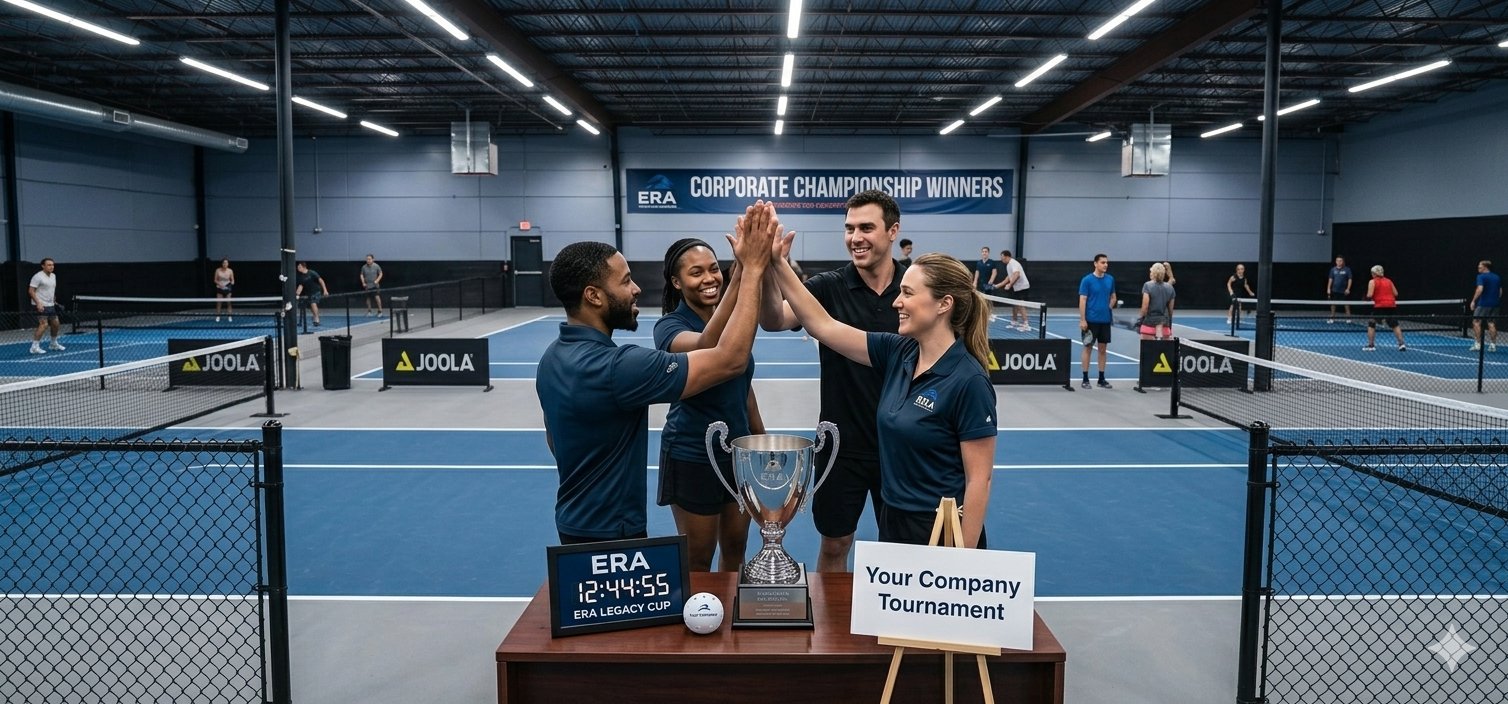
For players who are new to Era Pickleball pickleball training programs, the initial entry often feels like standing at the edge of a bustling, multilingual court. The energy is infectious, the cues are precise, and the feedback is direct. The challenge is to translate this intensity into a sustainable routine. It helps to approach the first sessions with a clear, reachable objective. Perhaps you want to fix the low early paddle contact that undermines your volley, or you want to build a more reliable kitchen game that keeps you engaged in longer rallies. Whatever the goal, it is crucial to document progress. Keep a small log of your day-to-day improvements, the cues that helped you, and the shots that finally started to feel natural again. Over weeks and months, those notes become the map of your evolution on the court.
Meanwhile, the quality of the Era Pickleball coaching staff matters. It is not solely about the most technically polished players who might win the most tournaments. It is about coaches who can translate theory into practice for players with different body types, experiences, and learning styles. The most effective instructors are those who listen as much as they teach, who tailor drills to your tendencies, and who provide clear, actionable feedback that you can apply immediately. They also recognize the limits of their own methods. If a particular approach does not suit you, they pivot rather than press. This flexibility is a critical touchstone for any training program that aims to be truly useful over time.
In sum, clinics and camps organized around Era Pickleball pickleball training offer a structured path into deeper skill mastery without requiring a long-term commitment from the outset. They blend precise technical coaching with game-like scenarios, a supportive community, and an emphasis on practical, repeatable improvements. They acknowledge that growth takes time and that the best results come from sustained, thoughtful practice layered onto an already active playing schedule. For players who want to elevate their game, these programs provide a tested framework, professional guidance, and the social energy that keeps motivation high even on the days when the work feels hard.
As you consider the next step in your pickleball journey, imagine not just the drills you will do, but the outcomes you want to experience in real matches. The serve return you struggled with last season could become a routine weapon. Your transition game could gain the speed and predictability that allow you to keep the ball in play longer and pressure your opponents more effectively. The dink becomes less of a gamble and more a tactical tool, deployed with intention rather than chance. These are not abstract promises; they are the kinds of shifts that clinics and camps from Era Pickleball have proven capable of delivering when players show up ready to engage fully.
If you are weighing options, a practical next step is to review schedule, price, and the specific focuses of each clinic or camp. Look for clarity in what you will learn, how feedback is delivered, and what post-session resources are offered. A well-conceived program will lay out a concrete practice plan that you can carry with you after the event ends. It will also provide a way to measure progress, whether through follow-up videos, a structured drill progression, or a small set of benchmarks tied to your goals. This is the kind of accountability that helps convert a weekend of focused effort into a durable upgrade in your day-to-day play.
Ultimately, clinics and camps in Era Pickleball training are not about temporary improvements. They are about integrating better movement, smarter shot selection, and deeper tactical awareness into a player’s habitual approach to the game. When done well, they create a virtuous loop: precise feedback leads to better practice, which leads to more confident decision-making on the court, which in turn increases the enjoyment of the game and motivation to train. If you approach the experience with curiosity and a plan, you will leave not only with new skills, but with a clearer sense of how to continue building on them long after you return home.
For players who value structure and practicality, the era pickleball classes and pickleball coaching opportunities offered through erapickleball.com present a compelling option. The programs are designed to be accessible without sacrificing depth. They invite you to participate in a learning environment where the pace is yours to set, the feedback is specific, and the chance to improve is real. You will not walk away with a single dazzling shot that you can replicate only in ideal conditions. You will walk away with a repertoire of reliable, repeatable actions that make you a more effective player across a range of opponents and court conditions.
The road to consistent improvement in pickleball is less about chasing magic and more about enrolling in a disciplined, thoughtful process. Clinics and camps provide the conduit for that process. They offer the practical scaffolding you need to transform potential into performance. And they remind you of a truth that seasoned players know well: progress comes in small, steady increments, compounded through deliberate practice and the companionship of a community that shares your ambition. In the context of Era Pickleball, that combination—expert guidance, structured practice, and a supportive network—creates a learning environment where you can build the habits that sustain you season after season.
If you are ready to take the next step, seek out a clinic or camp that speaks to your current level, your schedule, and your goals. Read the coach bios, ask about the session format, and look for evidence of practical outcomes. Consider starting with a weekend clinic to test the waters, especially if you are balancing work and family commitments. Then, if the experience resonates, you might explore a longer camp that offers deeper immersion and more extensive feedback cycles. The most important part is to participate with intention. Bring a clear objective, engage with the coaches openly, and treat every drill as a chance to learn something you can apply in the next match. Over time, those deliberate efforts accumulate into a game that feels more controlled, more confident, and more enjoyable to play.
For many readers, this journey will feel less like a single event and more like a sequence of small, meaningful improvements stitched together by consistent effort. The era pickleball model understands that maturation in a sport as nuanced as pickleball does not occur in a single sprint but through a long arc of practice, feedback, and adaptation. Clinics and camps are the accelerants that help you shorten the journey toward your best game, without compromising the integrity of your development. They offer a pragmatic route to higher consistency, smarter shot selection, and more confident play—qualities that translate into more success on the court and more enjoyment off it.
As you plan your next steps with era pickleball training, keep this in mind: the best clinics and camps are those that teach you to think in real game terms. They give you the vocabulary to describe what you feel when you move well and the cues to replicate it on demand. They leave you with a framework that you can apply across different courts, different partners, and different opponents. And they foster a sense of belonging to a community that champions growth. If that is what you are seeking, your next stop will likely be erapickleball.com or a program that echoes the same commitment to practical, game-centered coaching. The rest is work, curiosity, and the steady discipline that defines players who improve not just for a season, but for the life of their game.